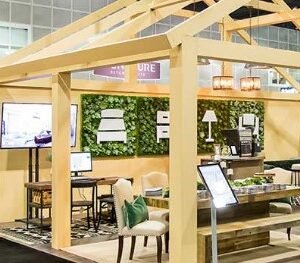
Trade show booths are powerful platforms for businesses to showcase their products, services, and innovations. A well-designed trade show booth can create an impactful first impression, engage potential customers, and foster meaningful connections with industry peers. However, building a trade show booth requires careful planning and the right set of tools and materials. In this article, we will explore the essential tools and materials that every exhibitor should have when constructing a trade show booth.
1. Design and Planning Tools
Before diving into the physical construction, having the right planning tools is crucial. Trade show booths require meticulous design and spatial planning to ensure that everything fits within the allotted space, aligns with branding objectives, and delivers an engaging experience for visitors.
1.1 Design Software
Software tools such as AutoCAD, SketchUp, or Adobe Illustrator are essential for visualizing and drafting the booth design. These design programs allow you to create 2D or 3D models of the booth layout, helping to fine-tune aspects like the placement of display units, product showcases, seating arrangements, and pathways for visitors. The goal is to create a space that feels open, welcoming, and encourages interaction.
1.2 Mood Boards and Conceptual Tools
Mood boards help define the overall theme and aesthetic of the booth. These boards usually consist of color palettes, images, textures, and fonts that will be used to create a cohesive and visually appealing booth. Online tools like Canva or Pinterest are great for assembling mood boards that inspire creativity and help designers and teams stay aligned.
1.3 Booth Design Templates
Many trade show organizers offer booth templates that align with the specific dimensions of the exhibition space. These templates are useful for ensuring that the booth adheres to the event’s space guidelines while allowing enough flexibility for creative design elements.
2. Construction Materials
The construction of a trade show booth can range from simple to complex, depending on the budget, size, and objectives of the exhibitor. Using the right materials ensures durability, aesthetic appeal, and ease of transport and setup.
2.1 Frameworks and Structures
Trade show booths are typically built on a framework or structure that can support graphics, signage, product displays, and other features. Aluminum extrusions, steel poles, or PVC pipes are commonly used materials for constructing the skeleton of the booth. These materials are lightweight yet strong enough to hold up the booth’s components.
2.2 Display Panels and Walls
To showcase products and branding, display panels are a must-have. These panels can be made from a variety of materials, such as MDF (Medium Density Fiberboard), acrylic, or foam board. MDF is a popular choice for its sturdiness, smooth surface, and ease of painting or finishing. Acrylic panels are perfect for creating sleek, modern designs and can be backlit for additional effect.
2.3 Flooring
Flooring is another critical component of trade show booths. Depending on the event, exhibitors may need to choose between temporary flooring (such as interlocking tiles) or more permanent flooring solutions like carpets or vinyl. Interlocking tiles are lightweight, portable, and easy to install, while carpeting or vinyl offers a polished and professional look. Some exhibitors choose to use wood or laminate flooring to create a high-end appearance.
2.4 Backdrops and Banners
Backdrops are important for creating a focal point in the booth and for branding. Retractable banner stands, tension fabric displays, and printed fabric banners can be used to provide high-quality visuals and logos. These backdrops are typically made from durable, wrinkle-resistant fabrics that can withstand the rigors of travel and handling.
3. Graphics and Branding Materials
Effective branding is one of the cornerstones of a successful trade show booth. Visitors are more likely to engage with your booth if it communicates your brand’s message clearly and compellingly.
3.1 Custom Graphics and Signage
Printed graphics, logos, and signage should be designed to catch the attention of potential clients. Professional printers can produce high-quality vinyl banners, posters, and large-format graphics for the booth. These materials are durable, vibrant, and capable of displaying intricate designs.
3.2 LED Screens and Digital Displays
Incorporating digital elements into your booth can set it apart from the competition. LED screens or digital displays allow for dynamic content such as videos, animations, and product demonstrations. These screens are versatile and can be used for presentations, interactive displays, or as background visuals.
3.3 Lighting Solutions
Proper lighting can enhance the visual appeal of a booth and attract more visitors. There are various lighting options available, including spotlights, LED strips, and pendant lights. Depending on the booth’s size and design, exhibitors can opt for overhead lighting, floor-mounted spotlights, or task lighting to highlight products and features.
3.4 Printing Equipment
If you plan on printing on-site for promotional materials like brochures, handouts, or posters, a portable printer can be a useful tool. Printers with wireless connectivity or compact desktop models are ideal for these purposes.
4. Tools for Assembly and Setup
Setting up a trade show booth can be time-consuming, especially if the booth involves complex structures or heavy-duty components. The right tools can expedite the setup process and ensure a smooth assembly.
4.1 Power Tools
Depending on the complexity of your booth design, you may need basic power tools such as drills, screwdrivers, or saws. Cordless drills and impact drivers are essential for assembling frames, hanging panels, and securing shelves. A jigsaw or circular saw might be required if custom cuts are needed for wood or other materials.
4.2 Hand Tools
Hand tools are crucial for precision work and minor adjustments. Some of the basic hand tools to have on hand include:
- Screwdrivers (flathead and Phillips)
- Wrenches (adjustable and socket)
- Hammer
- Pliers (needle-nose and standard)
- Utility knife
- Measuring tape and level
4.3 Adhesives and Fasteners
For attaching graphics, securing small elements, or creating smooth finishes, adhesives and fasteners are indispensable. Double-sided tape, Velcro strips, industrial-strength glue, and zip ties are common fasteners used in trade show booth construction. For more permanent fixtures, consider using screws, nails, or bolts.
4.4 Tool Kits and Carrying Cases
Having a well-organized toolkit can make assembly and disassembly more efficient. A portable tool kit with a carrying case is highly recommended for keeping all necessary tools together and easily accessible. A mobile toolbox with compartments for screws, nails, and small parts is also helpful.
5. Storage and Transportation Materials
After the trade show is over, everything must be disassembled and packed up for transport to the next event or back to storage. The way you store and transport your booth materials can affect the longevity and ease of reuse for future shows.
5.1 Custom Crates and Cases
Custom crates or hard-sided cases are designed to protect booth components during transport. These storage units are essential for keeping fragile materials such as glass displays or delicate electronics safe from damage. Many companies offer rental options for crates or cases, or you can opt for purchasing your own.
5.2 Packing Materials
Packing materials such as bubble wrap, foam padding, and packing peanuts are essential for safeguarding smaller or fragile items during transport. Proper packaging ensures that the booth components will arrive at the event in excellent condition.
5.3 Labeling and Organization
Properly labeling crates, cases, and materials is vital for ensuring that everything is accounted for during transport and setup. Using clear labels with descriptions, dimensions, and numbers can help ensure that all parts are easily located and set up without delay.
6. Miscellaneous Items
There are several additional items that, while not immediately obvious, can make a significant difference when building a trade show booth.
6.1 Electrical Extensions and Power Strips
Most trade shows provide power outlets, but having extra extension cords and power strips is always a good idea. Ensure that your booth has enough power for lighting, digital displays, and any other electrical devices you may need.
6.2 First Aid Kit
Accidents can happen during booth setup or teardown. It’s always a good practice to have a first aid kit on hand for minor injuries, cuts, or bruises.
6.3 Personal Protective Equipment (PPE)
Depending on the tools and materials used, you may need personal protective equipment like gloves, safety glasses, or hearing protection. This ensures that workers stay safe during the booth-building process.
Building a trade show booth requires a combination of creativity, organization, and the right materials and tools. From the initial design phase to the final setup, every detail matters in creating a booth that draws in attendees and makes a lasting impression. By having the proper tools and materials on hand, you can ensure that your trade show booth is not only visually appealing but also practical and efficient to build, maintain, and transport. Whether you’re a seasoned exhibitor or a first-time participant, understanding the importance of these essentials will help you create a trade show booth that stands out in any industry.